
Lucky Spin Joy
Zhuoyu Jee LimitedCasual
4.095.00 Reviews
- Version
- 2.0.9
- Installs
- 10.00K
- Age Rating
- Everyone 10+
Screenshots
Our Review of Lucky Spin Joy
 Analysis by Appyee
Some casual games ask for a long commitment before they become enjoyable. Lucky Spin Joy takes the opposite approach. I can open it, make a few quick choices in its colorful lobby, and get to the main attraction without learning a complicated system first. The game brings together slots, scratch cards, and lucky bonus wheels, so its appeal comes from small bursts of anticipation rather than a large adventure or a demanding challenge.
That makes it easy to understand why this game may suit someone who wants a few minutes of light entertainment while waiting for a bus, taking a short break, or winding down before bed. It is a free casual game from Zhuoyu Jee Limited, aimed at players aged Everyone 10+. Its average rating is 4.0 from around 475 ratings, and it has passed 10K+ installs, which gives it a modest but visible audience without making it feel like a huge mainstream platform.
After spending time with it, my opinion is fairly clear: the game is strongest when I treat it as a short-session amusement, not as a deep progression experience. The visual variety helps the opening moments feel lively, but the underlying activities are intentionally simple. If you enjoy repeated spins, quick scratch-card reveals, and bonus-wheel anticipation, it can be a pleasant little time-filler. If you need strategic depth, a strong story, or a sense of constant discovery, its limits become noticeable quickly.
How the first few minutes feel
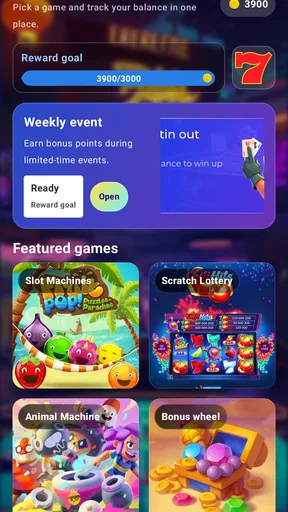
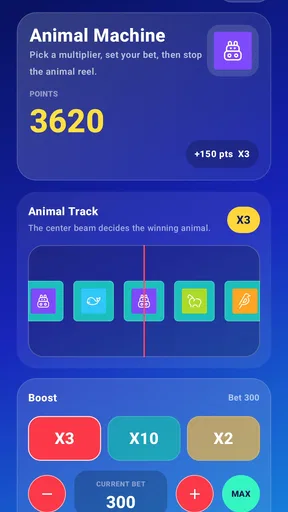
The lobby is the important first impression. Instead of dropping me into a single activity, it presents a collection of familiar chance-based mini-games. That arrangement gives the app a more playful feel than a basic one-screen spinner, because I can choose between the rhythm of slots, the instant reveal of a scratch card, and the brief suspense of a bonus wheel.
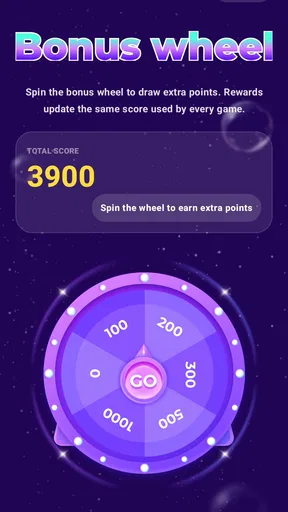
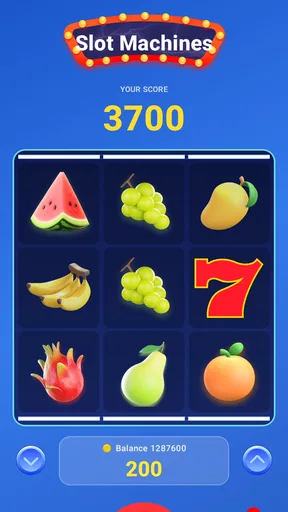
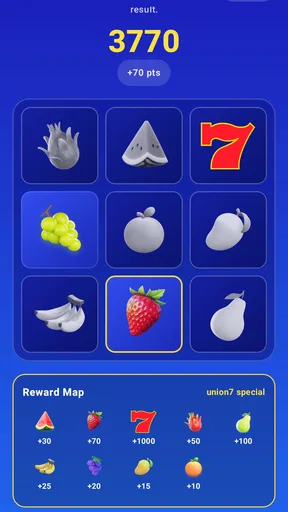
I like that this variety changes the mood of a session without requiring a completely different game. Slots are the most naturally repetitive option: I can make a choice, watch the result, and decide whether to continue. Scratch cards feel more immediate because the reveal is the whole point. The wheel creates a short pause before the result, which gives even a tiny interaction a little ceremony.
The key strength here is short-session clarity. I do not need to remember a complicated map, build a team, or understand a long list of objectives before playing. The basic question is always obvious: which activity do I want to try next? For a casual game, that matters more than it might seem. Many supposedly simple titles bury their appeal under menus and tutorials, while this one is built around recognizable actions.
That simplicity also creates the first trade-off. The game’s activities are easy to grasp because they do not demand much from me. There is no indication that I should expect a layered strategy game or a skill-based arcade challenge. The pleasure comes from the presentation and the anticipation of each result, not from mastering a difficult technique. I would recommend it to someone who wants low-pressure interaction, but not to a player looking for meaningful decisions.
Choosing the right activity for the moment
One useful way to approach the lobby is to match the activity to the amount of attention I have available. When I only want a very quick interaction, a scratch card makes more sense because the action is direct. When I want a slightly more continuous rhythm, the slots provide a more repeatable loop. The wheel works best when I want a small break from the other two options and prefer a single moment of suspense.
This is a simple habit, but it makes the game feel less random as a leisure tool. Instead of opening it and tapping aimlessly, I can decide whether I want an instant reveal or a longer sequence of repeated attempts. That choice is one of the more practical strengths of the lobby, even though it is not a deep feature.
A realistic example is a ten-minute waiting period. I might begin with a scratch card because it gives me an immediate result, move to the wheel for a change of pace, and then spend the remaining time with slots. I am not committing to a campaign or risking losing progress in a difficult level. When the bus arrives or my appointment begins, the session can simply end. That ability to fit the game around real life is where it makes the most sense.
On the other hand, the same structure may feel thin during a longer session. Once the novelty of moving between the three activities fades, the lobby can start to feel like a selection screen rather than a world I want to explore. I would not choose it as my main evening game unless I specifically enjoyed repeating these chance-based interactions.
Why the rhythm works for brief breaks
The game’s strongest quality is its immediate pleasure. Each activity is built around a compact action followed by a result, so I am rarely waiting through a long setup. That makes the experience comfortable when my attention is divided. I can play for a moment, put the phone down, and avoid feeling that I have abandoned a complicated task halfway through.
This is where Lucky Spin Joy compares favorably with many other casual games. Puzzle titles often ask me to study a board, plan several moves, or recover from a mistake. Idle games may be easy to enter, but they usually depend on returning to collect progress and manage upgrades. Endless runners need continuous concentration. Here, the game is closer to a pocket-sized amusement area: I choose an attraction, try it, and move on when I feel finished.
The absence of heavy mental effort is a feature for the right audience. I can use it during a coffee break when I want something more interactive than scrolling but less demanding than a puzzle. It also works for players who prefer visual feedback and familiar mechanics over rules that take time to learn.
Still, immediate pleasure should not be confused with lasting satisfaction. The first few interactions are naturally the easiest to enjoy because the lobby feels fresh. After that, the game depends on whether I personally find repeated outcomes entertaining. If I need every session to introduce a new objective, new mechanic, or new environment, the rhythm will probably feel limited.
How interruptions affect the experience
For me, interruption tolerance is a major part of judging a casual game. Lucky Spin Joy is well suited to an interrupted routine because its basic activities are made of small exchanges: choose an option, watch the outcome, and decide what to do next. I can stop between these moments without carrying a complicated plan in my head.
That makes it a better fit for waiting rooms, short household breaks, and those moments when I know I may need to put the phone away suddenly. I would be more cautious about opening it in situations where I need complete focus, because the colorful presentation and repeated rewards are designed to invite another attempt. The game is easy to leave, but it is also easy to keep tapping when the original break has already ended.
My practical advice is to decide the length of the break before opening the game. For a very short pause, choose one activity and stop after its natural result. For a longer wait, rotate between the lobby options rather than repeating one mode immediately. That small rule helps preserve the feeling of choice and reduces the chance that the session turns into automatic tapping.
The game is also a reasonable option for family members who want something approachable, but the Everyone 10+ rating is worth respecting. I would still check whether its style suits the particular player, especially if they dislike chance-oriented mechanics or become frustrated by repeated outcomes. The age label makes it broadly accessible, but it does not mean every child or adult will enjoy the same loop.
Returning after a break
A casual game earns its place on my phone when returning to it feels effortless. Lucky Spin Joy benefits from having a lobby that communicates its purpose quickly. I do not need to reconstruct a story, remember a complicated route, or review a large collection of tasks before deciding what to do. That lowers the mental cost of coming back after a few hours or several days.
This is especially useful for people who do not want their entertainment apps to become responsibilities. Some games make me feel that I am falling behind whenever I do not log in. This one is more comfortable as an optional diversion. I can open it because I have a few minutes, not because I am worried about missing an important part of a larger system.
The downside is that a frictionless return does not automatically create a strong reason to return. The lobby makes the next action clear, but the long-term pull depends heavily on whether the player enjoys the activities themselves. In a progression-heavy alternative, new levels, characters, or upgrades can provide a concrete reason to come back. Here, the attraction is more immediate and personal: I return because I feel like trying another spin, card, or wheel.
That distinction matters when choosing between this game and other casual options. If I want a dependable five-minute diversion with little preparation, it is a sensible choice. If I want a game that remembers a detailed journey and rewards careful long-term planning, I would look elsewhere. The title works best when I judge it by convenience and mood rather than by the size of its content.
A useful way to avoid the repetitive trap
The best way I found to keep the experience fresh is to treat the lobby as a rotation rather than selecting the same activity every time. I might begin with the wheel, switch to a scratch card, and finish with slots. This does not transform the game into a deep multi-mode experience, but it does prevent one interaction from becoming the entire session.
I also prefer stopping after a satisfying result instead of continuing automatically. Because the activities are built around anticipation, the temptation is to chase the next reveal. Ending on my own terms makes the game feel like a break rather than a task. This is one of the more important practical trade-offs: the game is easy to start and easy to pause, but its repeatable design can encourage longer sessions than I originally intended.
Players who are sensitive to repetitive reward loops should approach it with a clear boundary. A short timer or a pre-decided number of turns can help keep the experience light. That is not a criticism of the interface so much as an honest description of the genre: the appeal depends on repeating a familiar action in the hope of another pleasing result.
Replay value and the limits of repetition
Replay value here is not about uncovering hidden areas or solving increasingly difficult problems. It comes from the fact that the three activities offer slightly different forms of anticipation. The slots provide a continuing sequence, scratch cards deliver a quick reveal, and the bonus wheel adds a distinct pause before the outcome. For a player who enjoys that kind of loop, the combination can remain useful as a lightweight pastime.
However, the variety should be kept in perspective. These are variations on a common idea rather than completely different genres. Once I understand the lobby, the basic experience is already clear. The game can remain pleasant, but it is unlikely to surprise me in the same way a puzzle with new mechanics or an adventure with new locations might.
That makes the title particularly dependent on session length. In short bursts, repetition is an advantage because I do not have time to become tired of it. In a long sitting, the same repetition becomes more visible. I would happily recommend it for brief pauses, but I would not describe it as a game designed to occupy an entire afternoon.
Compared with a standard casual puzzle game, this one asks for less concentration but also gives me fewer opportunities to improve through skill. Compared with an idle game, it offers more direct interaction but less of the satisfaction that comes from building a system over time. Compared with a simple single-mode spinner, it has more choice because the lobby combines several activities. That middle position explains both its appeal and its limitations.
The current version is 2.0.9, and the game is available free of charge. It supports devices running Android 8.0 or later, so compatibility should be considered before installing it. Those details make it easy to try for the intended audience, but the decision to keep it installed should depend on whether the short-session loop actually fits your habits. A free download is convenient, yet storage and attention are still resources worth protecting.
Who will enjoy it most
I think the best audience is someone who likes colorful, low-pressure games and wants a quick activity with almost no learning curve. It is also a good match for players who enjoy switching between several familiar chance-based formats instead of opening separate apps for each one. The lobby gives those options a single home, which is more convenient than a one-feature game when I want a little variety.
It may also appeal to people who dislike losing progress during interruptions. A short session can feel complete on its own, and I do not need to reserve a large block of time to appreciate what the game is doing. That makes it suitable for casual phone use rather than dedicated gaming sessions.
I would skip it if I mainly play for strategy, competition, narrative, exploration, or precise skill development. I would also look for another option if repeated spins and reveals feel empty after the first few minutes. A thoughtful match-three game, a compact arcade title, or a progression-focused idle game would offer more substance in those cases, even if they require more patience or attention.
Another reason to skip it is if I want a game that gives me a strong sense of personal control over every outcome. Lucky Spin Joy is centered on anticipation and results, so it is not the right choice for someone who wants every success to come from planning or reflexes. Its appeal is emotional and immediate rather than strategic.
My casual verdict
Lucky Spin Joy succeeds when I use it for what it is: a colorful, easy-to-enter collection of short chance-based activities. The lobby gives the game a useful amount of variety, while the compact actions make it comfortable during interruptions. I can open it for a few minutes, choose between slots, scratch cards, and a bonus wheel, and leave without feeling that I have broken a larger game session.
Its weaknesses are closely connected to those strengths. The low learning curve means there is little to master, and the quick results can become repetitive during longer play. The three activities change the flavor of a session, but they do not create the depth of a full puzzle, adventure, or strategy game. I would not install it expecting a long-term project.
My recommendation is therefore specific rather than universal. If you want a free casual game for brief, interruption-friendly sessions, this is a reasonable choice, especially if the familiar rhythm of spins, reveals, and wheels is already appealing to you. Set a simple stopping point, rotate the activities, and judge it by the pleasure of a short break.
If you need a game that rewards careful decisions, delivers substantial progression, or keeps introducing new challenges, choose a different category instead. For everyone else, Zhuoyu Jee Limited has made a straightforward time-filler whose best quality is that it gets to its small moments of entertainment quickly. I would keep it available for waiting and downtime, but I would not mistake its bright lobby for a deep game world.
Verdict
Strengths of Lucky Spin Joy
- Simple spin-based gameplay that is easy to understand from the first session.
- Short rounds make it convenient for quick breaks or casual play.
- Bright visuals and cheerful sounds create an upbeat atmosphere.
- Progression rewards encourage regular play without requiring long sessions.
- Suitable for players looking for a lightweight, low-complexity game.
Limitations of Lucky Spin Joy
- Gameplay may feel repetitive once the initial excitement wears off.
- Chance-based outcomes can make progress feel less consistent.
- Frequent ads may interrupt play, especially between spins or rewards.
- Some rewards or features may require in-app purchases to access fully.
- The game may offer limited depth for users seeking strategy or variety.
Similar Picks in This Category
View All
My Talking Angela
Outfit7 Limited4.2

My Talking Tom
Outfit7 Limited4.3

Pou
Zakeh4.2

My Talking Tom 2: Pet Game
Outfit7 Limited4.3

Candy Crush Saga
King4.6

Bridge Race
Supersonic Studios LTD4.1
Frequently Asked Questions
What is Lucky Spin Joy and how does it work?
Lucky Spin Joy is a casual spin-and-reward game built around virtual wheels, bonus rounds, and collectible prizes. After launching the app, you typically select an available wheel and tap to spin, then receive coins, points, or other in-game rewards. The exact features can vary by version, so review the current app description and permissions before downloading.
Is Lucky Spin Joy free to download and play?
Lucky Spin Joy can generally be downloaded without an upfront purchase, but free access may include advertising, optional in-app purchases, or limits on how often you can spin. Some rewards or extra turns may be offered through promotional videos or paid bundles. Before confirming any purchase, check the store listing for current pricing, subscriptions, and refund information.
Can I win real money or withdraw rewards from Lucky Spin Joy?
Users should not assume that virtual coins, points, or prizes in Lucky Spin Joy have cash value. Many spin-based games are designed purely for entertainment and do not provide real-money withdrawals. If the app advertises redeemable rewards, carefully read the eligibility rules, minimum withdrawal requirements, supported payment methods, regional restrictions, and verification conditions before spending time or money.
Does Lucky Spin Joy require an internet connection or personal information?
An internet connection may be necessary for loading advertisements, synchronizing progress, receiving daily bonuses, or accessing online events. The app may also request permissions or account details depending on its features, such as notifications or login services. Before installing, review the Google Play or App Store privacy section and only grant permissions that appear necessary for the way you plan to use it.
Is Lucky Spin Joy suitable for children and safe to use?
Lucky Spin Joy may be easy for younger players to understand, but parents should still check its age rating, advertising content, chat or social features, and in-app purchase settings. Spin mechanics can also resemble chance-based gameplay, which may not be appropriate for every child. Use parental controls, disable unauthorized purchases, and download the app only from an official store.
Play our best games!


